Natural Ways to Lower Cholesterol Without Medication
Natural Ways to Lower Cholesterol Without Medication
High cholesterol is a major risk factor for heart disease and stroke for many people around the world. Although statins are frequently prescribed, people increasingly are interested in natural alternatives to lower cholesterol without medication. By making lifestyle changes, adopting healthy eating patterns and using home remedies, you can take control of your cholesterol levels and heart health for the long run.
What Is Cholesterol and Why Does It Matter?
Cholesterol is a fatty substance made by the liver and also found in certain foods. It plays a key role in building cells and producing hormones. However, having too much cholesterol in the bloodstream can be harmful.
There are two main types of cholesterol:
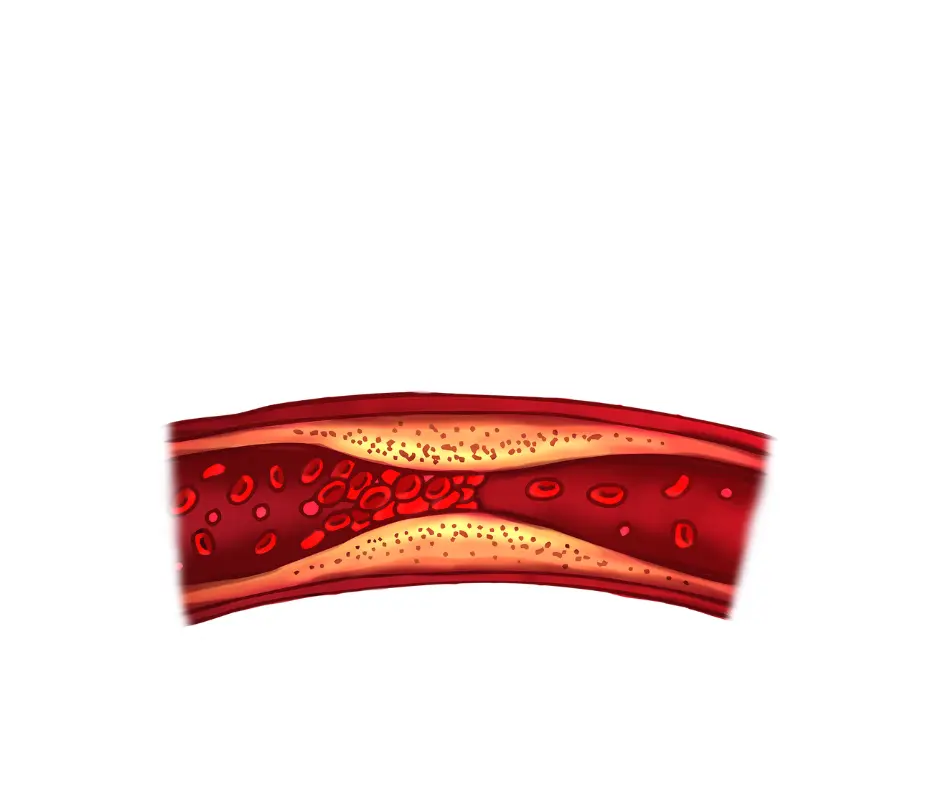
LDL:- which stands for Low-Density Lipoprotein and is usually referred to as “bad cholesterol” because high levels of it can build up plaque in your arteries and when they get smaller, it raises the chances of heart disease; the other type is
HDL: – which stands for High-Density Lipoprotein and is known as “good cholesterol”, as it helps remove excess cholesterol from the bloodstream and returns it to the liver.
In the end, it’s important to have high levels of HDL and low levels of LDL for a healthy heart
Natural Ways to Lower Cholesterol Without Medication
1. Eat More Soluble Fiber
Soluble fiber behaves like a sponge in the digestive system. It binds to cholesterol and helps eliminate it from the body. Adding fiber-rich foods can significantly lower LDL cholesterol levels.
Best sources of soluble fiber include:
• Oats and oatmeal
• Barley
• Beans and lentils
• Apples, pears, and citrus fruits
• Vegetables like carrots and Brussels sprouts
A daily intake of 5–10 grams of soluble fiber can reduce LDL cholesterol by up to 10%.
2. Add Healthy Fats to Your Meals
Not every type of fat is bad for you. By replacing saturated and trans fats with healthy unsaturated fats, you can lower bad cholesterol and increase good cholesterol.
Healthy fats come from good sources:
• Olive oil and avocado oil
• Fish like fatty salmon, mackerel, and sardines
• Nuts such as almonds, walnuts, and pistachios
• Seeds like chia seeds and flaxseeds Omega-3 fatty acids, which are found in fish and some plants, are especially beneficial for your heart health.
3. Avoid Trans Fats Completely
Trans fats are man-made fats usually found in processed foods, baked goods, and fried foods.They raise LDL cholesterol and lower HDL cholesterol, making them very harmful.
To avoid trans fats:
• Read food labels for “partially hydrogenated oils.”
• Limit packaged snacks, margarine, and fast food.
• Cook meals at home with healthier oils.
4. Get Moving Regularly
Staying active is one of the best natural ways to boost your cholesterol levels. Exercise helps increase HDL cholesterol while reducing LDL cholesterol and triglycerides.
Suggested routine:
• At least 150 minutes of moderate aerobic activity each week (like walking fast or riding a bike).
• Try to do strength training workouts twice a week.
• Little change, like taking the stairs instead of the elevator, can really help.
5. Keep a Healthy Weight
Having extra weight, particularly around your stomach, can lead to higher LDL cholesterol levels.
If you lose just 5–10% of your body weight, it can significantly help improve cholesterol levels and decrease the risk of heart disease.
Weight management tips:
• Watch your portion sizes.
• Eat balanced meals with whole foods.
• Avoid sugary drinks and refined carbs.
6. Add Plant Sterols and Stanols
Plant sterols and stanols are natural substances found in fruits, vegetables, nuts, and seeds. They prevent cholesterol from being absorbed in the intestines and can reduce LDL cholesterol by as much as 10%.
Foods fortified with plant sterols, such as some yogurts, juices, and spreads, are also available.
7. Quit Smoking
Smoking lowers HDL cholesterol and harms blood vessels, making it easier for cholesterol to build up. Stop can quickly improve HDL levels and overall heart health.
Benefits after quitting smoking include:
• Improved circulation within weeks.
• Higher HDL cholesterol within months.
• Reduced risk of heart disease and stroke long-term.
8. Limit Alcohol Consumption
Moderate alcohol intake may raise HDL cholesterol, but too much can increase triglycerides, blood pressure, and heart disease risk.
Safe limits:
• Women can have up to one glass a day
• Men can have up to two glasses a day.
Small amounts of red wine may offer heart benefits due to antioxidants like resveratrol.
9. Try Natural Supplements
Some natural supplements may help manage cholesterol levels. But, make sure to see a doctor before you start taking any supplements.
Effective options include:
• Psyllium husk: A soluble fiber that lowers LDL cholesterol.
• Niacin (Vitamin B3): Helps raise HDL cholesterol.
• Garlic extract: Known for mild cholesterol-lowering effects.
• Green tea extract: Contains antioxidants that may improve cholesterol balance.
10. Manage Stress Levels
Chronic stress can indirectly lead to high cholesterol by encouraging poor eating habits, lack of exercise, and hormonal imbalances. Stress management techniques can help regulate cholesterol levels naturally.
Effective stress-reducing activities include:
• Meditation and deep breathing exercises
• Yoga or tai chi
• Spending time in nature
• Listening to music or enjoying hobbies
Sample Daily Diet to Lower Cholesterol Naturally
Here’s a quick example of a heart-healthy daily menu:
• Breakfast: Oatmeal combined with chia seeds, walnuts, and fresh berries
• Mid-morning snack: Apple with almond butter
• Lunch: Grilled salmon with quinoa and steamed vegetables
• Afternoon snack: Carrot sticks with hummus
• Dinner: Lentil soup accompanied by whole-grain bread and a leafy green salad
• Beverages: Green tea, water, and fresh lemon water
When to See a Doctor
Natural remedies can help many people, but sometimes medical treatment is necessary. If lifestyle changes aren’t enough, or if cholesterol levels stay high despite efforts, consult a doctor for further evaluation. Regular cholesterol testing is crucial, especially if you have a family history of heart disease, diabetes, or high blood pressure.
Final Thoughts
Lowering cholesterol naturally is possible by combining healthy eating, regular exercise, weight management, and lifestyle adjustments. By choosing whole foods, avoiding harmful fats, staying active, and adopting heart-healthy habits, you can significantly improve cholesterol levels and reduce your risk of heart disease without medication.
Remember that small changes each day can lead to big results in the long run. Start by adding one or two of these natural strategies to your routine and build upon them over time. Your heart will appreciate it.